The founder of Xingyi Quan
Xingyiquan, a martial art with a long and rich history, originated in northern China. Known for being easy to learn and practical, it has been highly regarded by many.
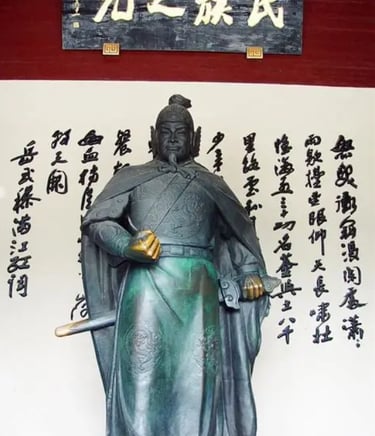
Legend has it that Xingyiquan can be traced back to the Southern Song dynasty general Yue Fei, who fought against the Jin invasion. His martial philosophy and combat experience laid an important foundation for the creation of Xingyiquan.
Through the transmission and development by generations of masters such as Ji Jike, Dai Longbang, and Li Luoneng, Xingyiquan gradually became one of the most popular martial arts in the Hebei region.
Coach's Legacy Chain
The first-generation master
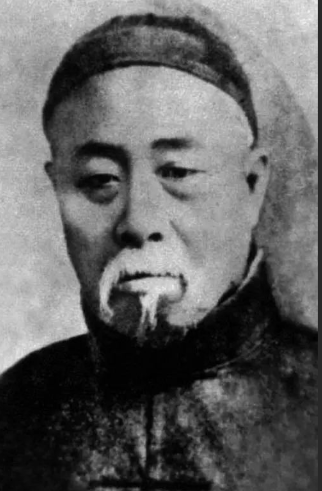
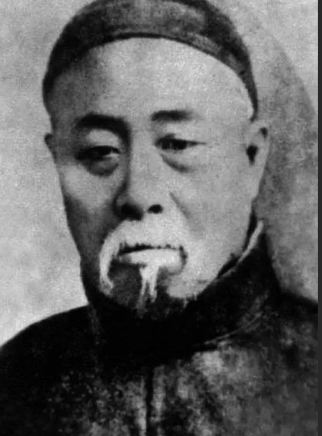
Li Luoneng (1808-1890), also known as Feiyu, with the courtesy name Nengran, commonly referred to as Elder Neng, was a native of Shenxian County, Hebei Province. He is regarded as the founder of modern Xingyi Quan. In his early years, while doing business in Qixian County, Shanxi Province, he studied Dai-style Xinyi Quan under Dai Longbang. After a decade of dedicated practice, he reformed and innovated the martial arts system, renaming "Xinyi" (Heart-Mind Boxing) to "Xingyi" (Form-Intent Boxing). He created the theories of the Five Elements and Twelve Animal Forms and authored The Xingyi Quan Manual. His life and achievements are recorded in The Dictionary of Chinese Martial Arts. Renowned for his exceptional martial skills, he was also celebrated as "Divine Fist Li."
The second-generation master
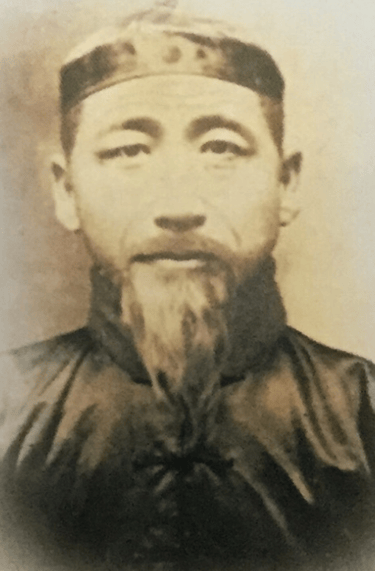
Liu Qilan (1819–1889, or alternatively 1832–1905), courtesy name Qifei, was a native of Shenxian County, Hebei Province. A martial artist of the late Qing Dynasty, he was one of the eight principal disciples of Li Luoneng and a key inheritor of the Hebei branch of Xingyi Quan. He excelled in the Dragon Form of the Twelve Animal Forms in Xingyi Quan and was especially skilled in the "Dragon Form Bone-Searching" technique.
The Third Generation Master
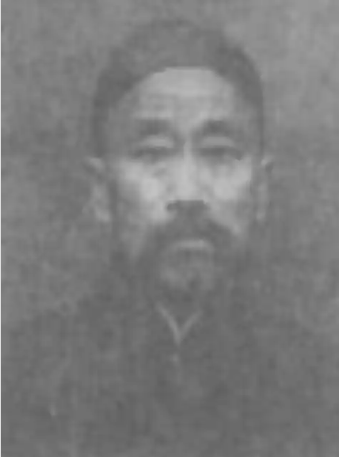
Li Cunyi (1847–1921), originally named Cunyi with the courtesy name Sutang, later renamed Cunyi and given the courtesy name Zhongyuan, was born in Nanxiaoying Village, Shenzhou (present-day Shenzhou City, Hebei Province) during the late Qing Dynasty. He was a martial artist of the Qing period. He studied Xingyi Quan under Liu Qilan and Baguazhang under Dong Haichuan. In 1900, he participated in the Boxer Rebellion and earned the nickname "Single Saber Li." In the third year of the Xuantong reign (1911), together with Ye Yunbiao, he founded the Chinese Martial Society (Zhonghua Wushi Hui) in Tianjin, with the mission of "preserving and teaching China's inherent martial arts and strengthening the physique of its people." He also served as an instructor at the Shanghai Jingwu Athletic Association and Nanyang College (the predecessor of today's Shanghai Jiao Tong University).
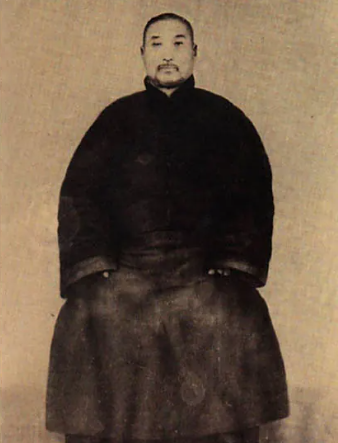
Ma Yutang (March 1872 – April 1959), courtesy name Zizhong, was born in Ziwen Town, Anping County, Hebei Province. He was a renowned master of Xingyi Quan, known for his straightforward character and sincere, kind-hearted nature. As a successor of the Li Luoneng lineage of Xingyi Quan, he studied under masters Liu Qilan and Li Cunyi. In his early years, he moved to Beiguan, Xincheng County. In 1903, together with his fellow townsman Sun Wanshun, he established the "Wanju Guild." Later, he formally became a disciple of Li Cunyi. His fellow martial brothers gave him the nickname "Sky-Diving Monkey," and he was featured in the novel Tales of the Jiangyuan Heroes as one of the "Eight Minor Heroes."
The Fourth Generation Master
Nanjing Central Kung Fu School
The Nanjing Central Martial Arts Institute, as the premier martial arts academy during the Republic of China era, gathered numerous renowned masters of Xingyi Quan to serve as instructors.
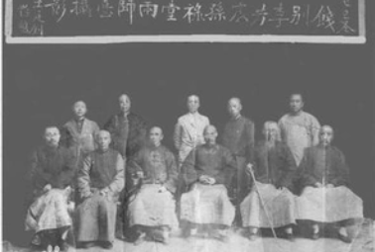
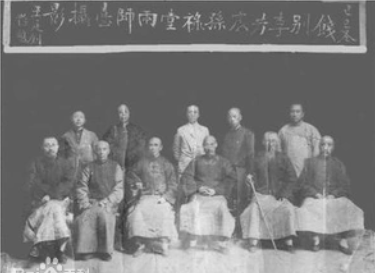
The acting director of the martial arts academy
Gao Zhendong served as the head of the Wudang Section at the institute. A renowned master of Xingyi Quan and a disciple of Ma Yutang, he was responsible for overseeing the instruction of martial arts within the Wudang Section, which included Xingyi Quan.
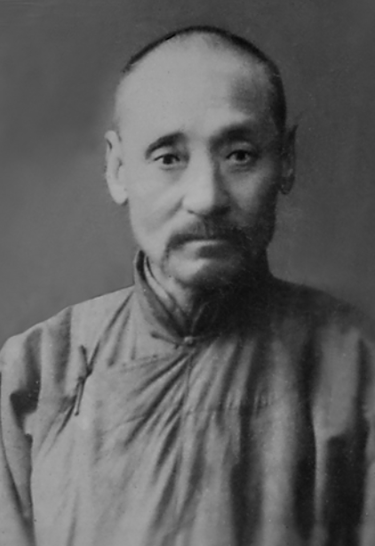
Headmaster of the Martial Arts Academy
Sun Lutang briefly served as the head of the Wudang Section. A consummate martial arts master of his generation, he synthesized Xingyi, Bagua, and Taiji to create Sun-style Taijiquan.
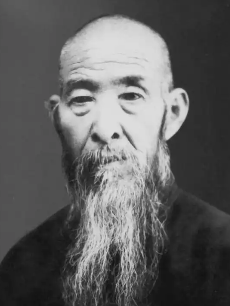
Director of the Teaching Affairs Department of the National Martial Arts Academy
Zhu Guofu served as the Director of the Academic Affairs Office at the National Martial Arts Institute. He advocated for "opposing flashy techniques and emphasizing practical application," and was a key figure in teaching Xingyi Quan and practical combat skills at the institute.
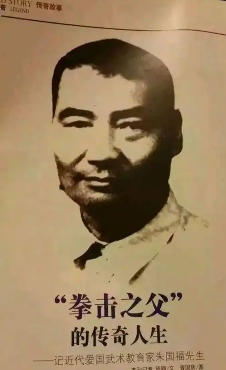
Grandmaster
My grandmaster, Master Ma Zhendai, was a graduate of the second class of the Nanjing Central Martial Arts Institute. Upon graduating, he studied under numerous prominent Xingyi Quan masters at the institute, including Sun Lutang, Gao Zhendong, Zhu Guofu, and others.
Ma Zhendai (February 1907 – July 11, 2001), a native of Jining, Shandong, was a Chinese martial artist. He began training in martial arts from a young age. In 1929, he was admitted to the second-term instructors' class at the Nanjing Central Martial Arts Institute. He mastered Xingyi Quan, Shaolin Luohan Quan, and night-combat broadsword techniques, earning the nickname "Ma of the Three Blades" for his swift and formidable skills. Starting in 1932, he served successively as a coach for the Central Martial Arts Research Association of the Kuomintang and as a martial arts instructor at the Nanjing School for Children of Fallen Officers. Throughout his teaching career, he emphasized the integration of martial arts theory with practical combat application.
Master
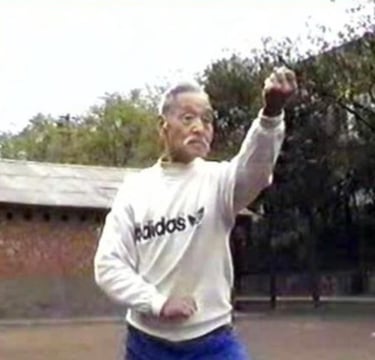
Master Zheng, 71, is a renowned martial artist from Chongqing. Hailing from a family with a distinguished martial arts tradition, he became a disciple of Xingyi Quan master Ma Zhendai. He also studied under nationally acclaimed martial artists, including a gold medalist in Xingyi Quan at the Sichuan Provincial Martial Arts Championships and an advisor to the Chongqing Martial Arts Association. In Chongqing, Master Zheng is a widely recognized and respected figure.
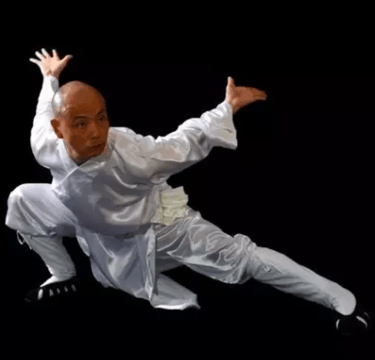
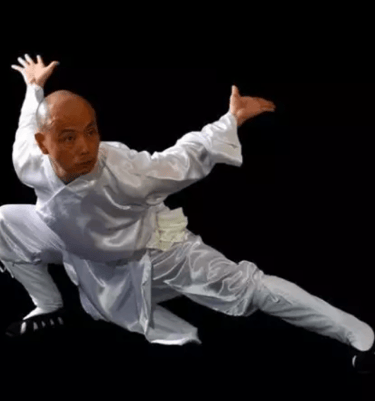
Me
Successor Liang Jingyuan